When you think of chocolate, you probably picture a glossy bar, a silky truffle, or a fragrant cocoa‑laden gift basket that makes hearts melt faster than a candle in a storm. But behind every sweet package lies a complex pricing puzzle that varies from one Perth hampers market to another. Whether you’re a boutique chocolatier, a corporate gifting supplier, or a small‑business owner looking to expand overseas, understanding how to handle chocolate gift basket pricing for different markets can turn a simple sweet treat into a profitable venture.
---
The Sweet Science of Pricing
Pricing is not an art that you can scribble on a napkin. It’s a science that blends cost, competition, consumer psychology, and local regulations. The goal? Set a price that covers your costs, satisfies your margins, and feels fair to the buyer—no matter where they are.
Cost Breakdown: The Foundation of Every Basket
- Raw ingredients: Cocoa beans, sugar, milk, flavorings. Prices fluctuate with harvests, trade agreements, and currency swings. Packaging: High‑quality boxes, ribbons, and protective foam. Luxury markets may demand crystal‑clear glass, while budget markets accept sturdy cardboard. Labor: Hand‑assembling baskets, customizing orders, and shipping. Skilled artisans command higher wages than assembly line workers. Overheads: Rent, utilities, marketing, and taxes. These vary dramatically between cities and countries.
Knowing each component helps you calculate a baseline cost before you add your profit margin.
Competitive Landscape: Who’s Already Sweetening the Deal?
- Local chocolatiers: Often price based on artisanal value and community reputation. International brands: Use economies of scale to offer lower prices, especially in emerging markets. Online marketplaces: Frequently undercut prices with shipping discounts and bulk offers.
Mapping this landscape ensures you’re not pricing your basket higher than a comparable product without a clear reason.
---
Market‑Specific Pricing Strategies
Now that you have the basics, let’s dive into how to adjust your pricing for distinct markets.
1. Developed Markets: Premium, Personal, and Perception
In places like the United States, Canada, or Western Europe, consumers often associate chocolate with luxury and experience. They’re willing to pay more for:
- Exclusivity: Limited‑edition flavors, single‑origin cocoa, or collaborations with well‑known chefs. Packaging: Designer boxes, personalized messages, and eco‑friendly materials. Service: Same‑day delivery, subscription options, and impeccable customer support.
* Tip*: Add a value‑add feature that justifies a higher price—think a handwritten note or a small gift card tucked inside.
2. Emerging Markets: Value and Volume
In countries like India, Brazil, or parts of Southeast Asia, price sensitivity is higher, but the chocolate market is growing rapidly. Here, focus on:
- Affordability: Offer tiered baskets—basic, mid‑range, and premium—to capture a broader audience. Bulk discounts: Encourage corporate gifting by providing volume pricing. Localized flavors: Incorporate local ingredients (e.g., cardamom in India) to appeal to regional tastes.
**Quote : “In a world where chocolate is a universal language, the price is the translator.” – Anonymous
3. Niche Markets: Cultural and Seasonal Sensitivities
Some markets have unique cultural or seasonal demands—such as Lunar New Year in China or Thanksgiving in the U.S. Adjust pricing by:
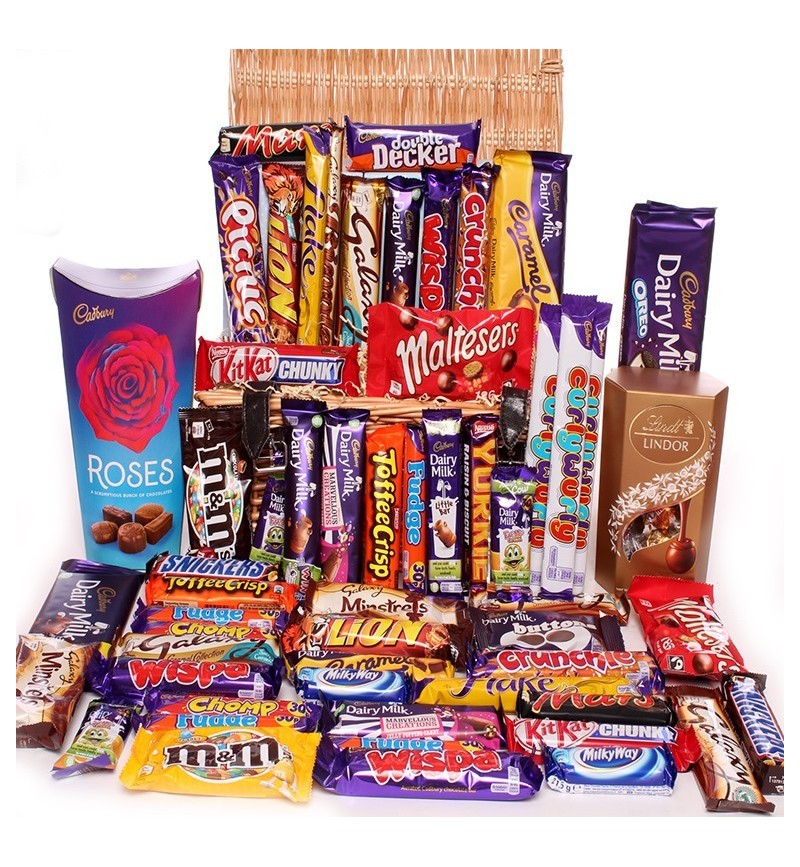
- Seasonal exclusivity : Limited‑time baskets tied to holidays. Cultural relevance : Incorporate traditional motifs or flavors. Limited availability : Create scarcity to drive demand.
---
Practical Pricing Models
Below are three models you can adapt to fit your market.
A. Cost‑Plus Pricing
Add a fixed markup to the total cost. Simple and transparent but may not capture market willingness to pay.
- Formula : Total Cost × (1 + Desired Margin)
B. Value‑Based Pricing
Set prices based on perceived value to the customer rather than cost alone. This requires deep market research and brand positioning.
- Key Questions : What emotional benefit does the basket deliver? How does it compare to competitors in terms of experience?
C. Tiered Pricing
Offer multiple basket sizes or themes at different price points. This allows customers to choose based on budget while maximizing your average order value.
- Example : Small: $25 Medium: $45 Large: $70
---
A Light‑Hearted Anecdote
When I first launched my own chocolate gift basket line, I priced a “Mini Luxury” basket at $50, thinking it would be a hit in the city’s upscale cafés. The first week, sales were sluggish. A friend suggested adding a tiny “fortune cookie” inside. Suddenly, orders spiked—people loved the playful surprise. The lesson? A small, thoughtful addition can shift perception and justify a higher price.
---
Rhetorical Questions That Spark Insight
- How much more are your customers willing to pay for a personalized experience? Can you afford to lose a sale by underpricing your premium baskets? What would happen if you offered a discount on bulk orders—would it boost overall revenue?
These questions help you evaluate pricing decisions without committing to a single formula.
---
Metaphors to Sweeten Understanding
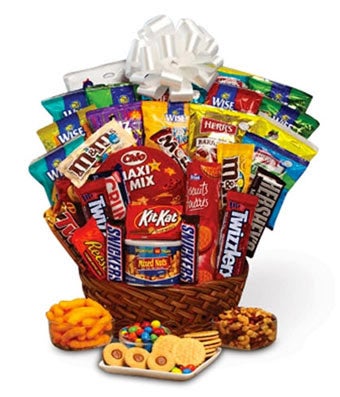
Think Celebration gifts of pricing like a well‑balanced chocolate truffle: the outer shell (cost) must be sturdy, the filling (value) irresistible, and the dusting (marketing) just enough to catch the eye. If any layer is off, the whole experience melts.
---
Checklist: Ensuring Your Prices Sweeten the Deal
- [ ] Calculate accurate cost per basket (ingredients, labor, overhead). [ ] Research local competitors and their pricing structures. [ ] Identify customer segments and their willingness to pay. [ ] Choose a pricing model (cost‑plus, value‑based, tiered). [ ] Test prices with a small batch before full launch. [ ] Collect feedback** and adjust as needed.
---
Making Your Selection Count
Your pricing strategy is the first step toward building a sustainable chocolate gift basket business. By tailoring prices to the nuances of each market—whether it’s the premium expectations of a developed economy or the value‑centric mindset of an emerging one—you’ll not only cover costs but also create a memorable experience that keeps customers coming back.
Remember, pricing isn’t just numbers; it’s the sweet spot where quality meets affordability. So, next time you assemble a basket, think of the journey it will take—across borders, cultures, and taste buds—and price it accordingly. Your customers will thank you with smiles, repeat orders, and, of course, a little extra sweetness in their wallets.