When you’re crafting the perfect hamper—whether it’s a corporate gift, a wedding favor, or a holiday surprise—you quickly realize that the packaging is just as important as the goodies inside. A well‑designed box can elevate a simple basket into a memorable experience, but it can also turn a thoughtful gesture into a logistical nightmare if you Chocolate hampers overlook the finer details. This guide walks you through the essential steps for how to handle special packaging requirements for hampers, blending practical tips with a dash of humor to keep the process enjoyable.
Understanding the Unique Needs of Hampers
Why Packaging Matters
Packaging isn’t just a protective shell; it’s the first impression. Think of it as the envelope that holds a love letter—if it looks shabby, the message loses some of its magic. For hampers, the stakes are higher: the contents can be fragile, perishable, or even hot, and the visual appeal can make or break the recipient’s experience.
Types of Hampers and Their Challenges
- Luxury hampers: high‑end chocolates, fine wines, and delicate pastries. These require temperature control and gentle handling. Corporate hampers: branded items, business cards, and office gadgets. Consistency and branding are key. Seasonal hampers: holiday treats or summer fruit baskets. Perishables demand quick shipping and moisture control. Specialty hampers: themed gifts like “spa day” or “cooking kit.” Each theme brings unique items that may need custom compartments or protective padding.
Recognizing these categories helps you anticipate the packaging quirks that will arise.
Selecting the Right Packaging Materials
The Foundation: Box and Cushion
The first layer is the box. Choose a sturdy, double‑walled cardboard that can withstand stacking and handling. For luxury items, consider a wooden crate or a high‑quality cardboard box with a built‑in lid.
- Double‑walled cardboard: affordable and recyclable. Wooden crates: premium look, excellent protection. Custom‑printed boxes: brand visibility.
Padding and Protection
When you ask yourself, “What’s the safest way to keep fragile items from shattering?” the answer usually involves padding. Foam inserts, shredded paper, or even recycled newspaper can absorb shocks.
- Foam inserts: precise fit, reusable. Shredded paper: inexpensive, biodegradable. Bubble wrap: classic, but may add bulk.
For perishable goods, add a layer of insulated material like Styrofoam or a gel pack to maintain temperature.
Sealing and Finishing Touches
A secure seal keeps the contents intact. Double‑seal tape, glue, or a custom sticker can reinforce the box. Finish with a ribbon, a wax seal, or a branded sticker to add that extra flourish.
Customizing Packaging for Special Requirements
Temperature Control for Perishables
If you’re shipping a hamper with fresh fruit or a chilled dessert, you’ll need to keep it cool. Gel packs, dry ice, or insulated liners can help. Remember the rule of thumb: “If it’s going to travel, keep it from the heat or the cold.”
A quick anecdote: I once shipped a holiday ham to a client in the middle of a heatwave. The ham arrived with a “sizzling” note in the envelope—thanks to a forgotten gel pack! The lesson? Always double‑check temperature‑sensitive items.
Branding and Personalization
For corporate hampers, consistency is king. Use the same color palette, logo placement, and messaging across all boxes. Personalization can be as simple as a handwritten note or as elaborate as a custom embossing on the lid.
> “Packaging is the first point of contact between your brand and the customer.” – Packaging Expert Jane Doe
Accommodating Fragile Items
Fragile items need extra cushioning. Use a “crash‑proof” strategy:
- Place the most fragile item in the center of the box. Surround it with a layer of soft material. Add a secondary layer of padding around the box’s corners.
Handling Heavy or Bulky Items
Heavy items can crush lighter ones. To manage weight distribution, stack heavier items at the bottom and lighter ones on top. If the hamper includes a large bottle or a sizable gift, consider a reinforced box or a custom cut‑out that snugly fits the item.
Shipping and Logistics
Choosing the Right Carrier
Different carriers have varying policies on fragile, perishable, or oversized items. Research each carrier’s handling procedures, delivery times, and insurance options.

- FedEx Ground: reliable for domestic shipments. UPS Worldwide: good for international. USPS Priority Mail: cost‑effective for smaller packages.
Labeling and Documentation
Clear labeling is crucial. Include:
- “Fragile – Handle With Care” “Keep Refrigerated” (if applicable) “This Side Up”
Also, ensure you have the necessary customs paperwork for international shipments.
Tracking and Customer Communication
Keep your customers informed. Send a tracking number and an estimated delivery date. If the hamper is a surprise, let the recipient know when to expect it and how to prepare for delivery.
Avoiding Common Packaging Pitfalls
Overpacking
It’s tempting to cram everything into one box, but overpacking can cause damage. Stick to the essentials and use separate compartments if needed.
Underestimating Weight
If the box is too heavy, it can exceed shipping thresholds, leading to extra charges or delays. Weigh the hamper before shipping and adjust the packaging accordingly.
Neglecting Sustainability
Today’s consumers value eco‑friendly packaging. Opt for recyclable materials, minimal plastic, and biodegradable fillers. A small change can make a big impression.
Making Your Selection Count
Evaluate Your Audience
Ask yourself: “Who is receiving this hamper?” A corporate client may appreciate a sleek, minimalist design, while a family gift may call for a playful, colorful approach. Tailoring the packaging to the recipient’s tastes increases the impact.
Test and Iterate
Before launching a new hamper line, run a small batch test. Ship to a friend or colleague and gather feedback on packaging durability, aesthetics, and overall experience. Use that data to refine your approach.
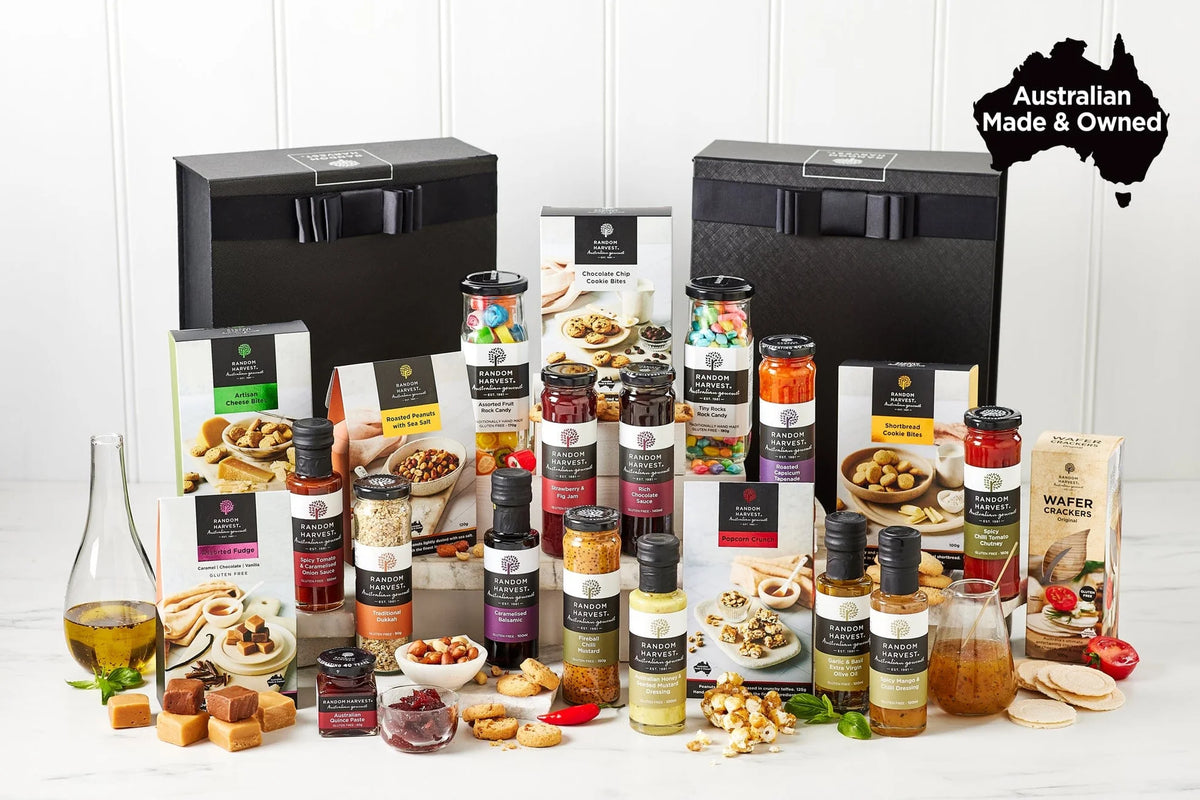
Invest in Quality
Remember, packaging is part of the product. https://jsbin.com/makehedisa Investing in quality materials and thoughtful design can justify a higher price point and reinforce brand prestige.
Stay Updated
Packaging regulations and best practices evolve. Keep abreast of new materials, sustainability standards, and shipping guidelines. Subscribe to industry newsletters or join packaging forums to stay ahead of the curve.
---
The art of how to handle special packaging requirements for hampers is a blend of science, creativity, and a touch of care. By understanding the unique needs of each hamper type, selecting appropriate materials, customizing for special conditions, and managing logistics with precision, you can turn a simple gift into a memorable experience.
Now that you’ve mastered the essentials, it’s time to roll up your sleeves, grab your favorite box, and start crafting hampers that will delight and impress. Happy packaging!